Saint Louis Electronics Recycling Made Simple
We Get eWaste.
At TechRemove, we’re no stranger to eWaste. In fact, we get it. We encourage businesses and consumers alike to recycle their old computers and electronics responsibly with TechRemove! We contract with Schools, businesses, charitable organizations, and municipalities alike to help all those who need to recycle their old electronics!
We believe in the difference we are making every year with our recycling efforts and aim to help consumers and businesses alike recycle computers, televisons, servers, and other electronics of all kinds! If it plugs in or has batteries, we can recycle it!

Business Electronics Recycling
-
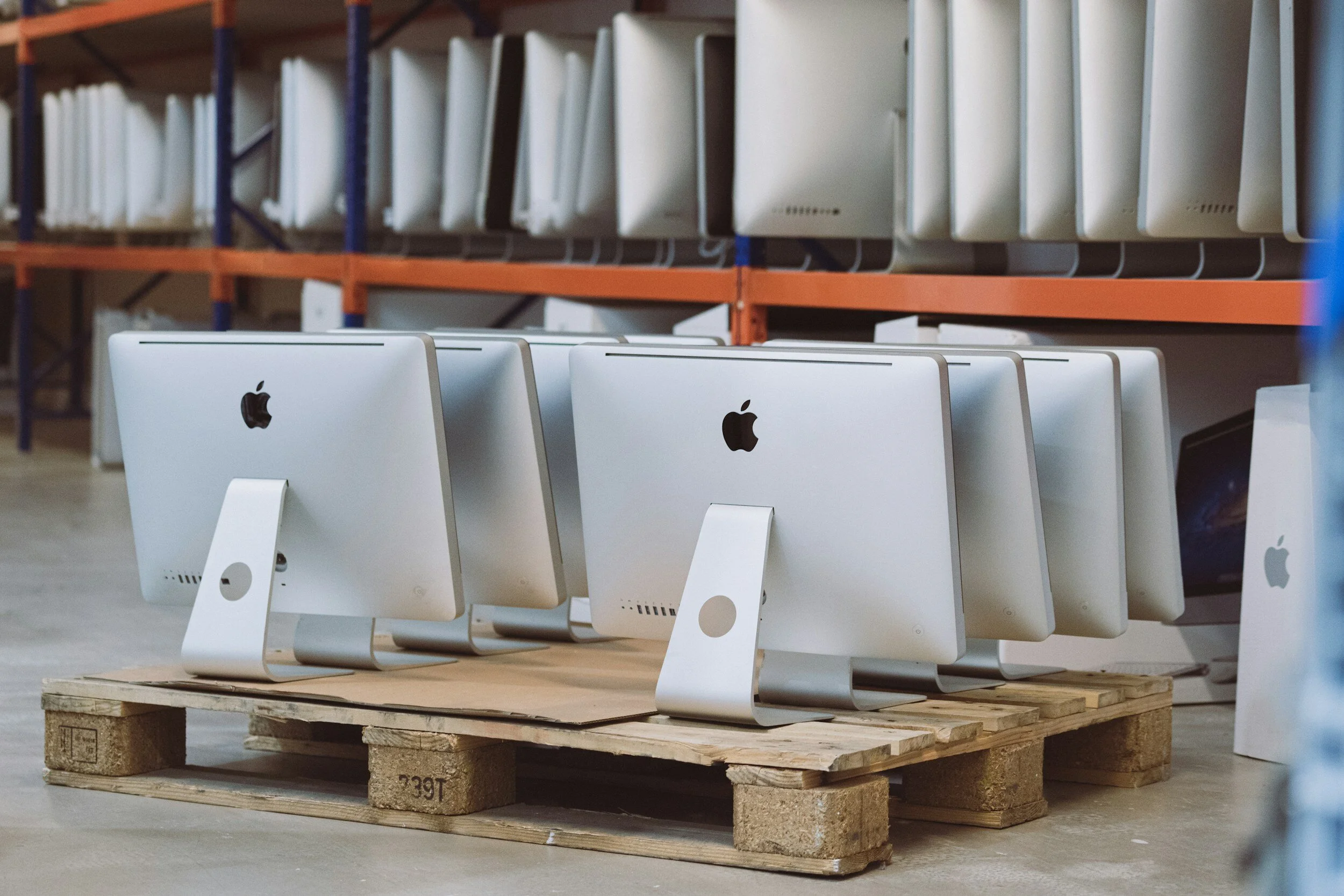
TechRemove provides scalable reverse logistics solutions to meet the needs of your business. We provide everything you need for a successful pickup from packaging, carts, and staff we can provide a tailored solution to your needs.
-
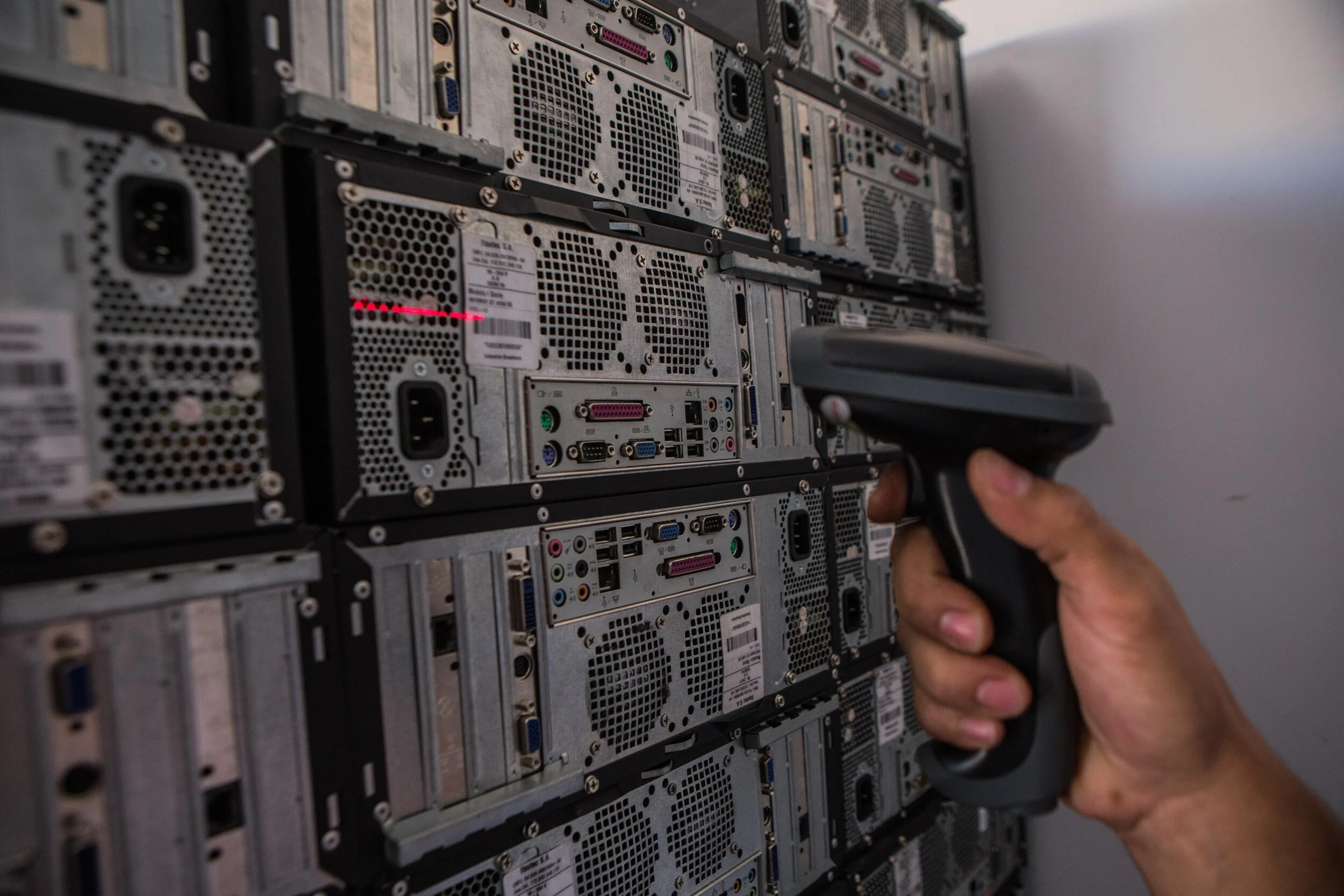
TechRemove provides data destruction services in compliance with the DOD and DOE standards for data destruction. We can provide serialized certificates of destruction tailored to your organization’s needs.
-
TechRemove provides an all inclusive solution for your office and data center decommissioning needs. We provide all of the staff, packaging, and logistics needed to make your next IT upgrade a success.

Community Events
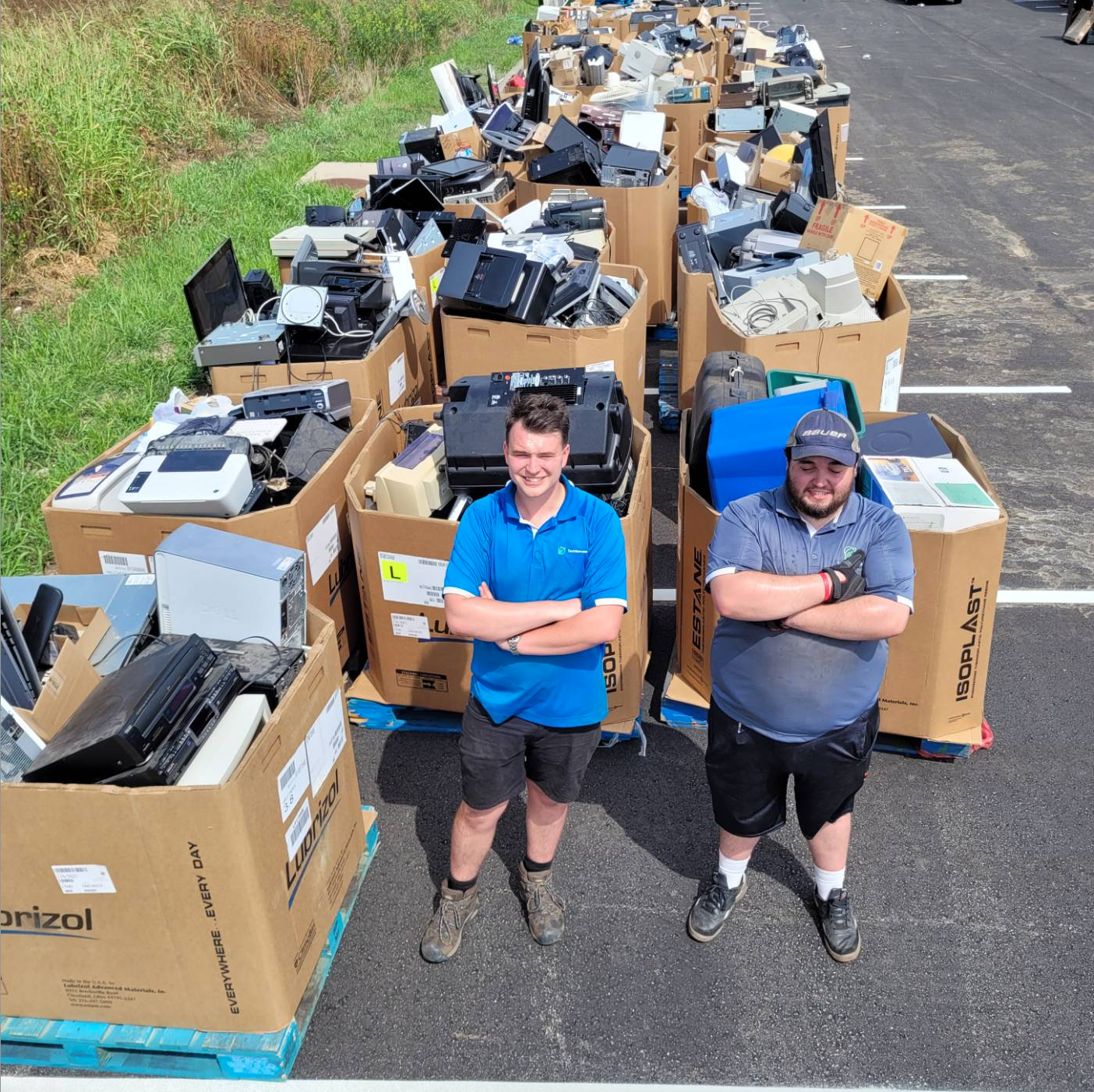
TechRemove hosts community electronics recycling events in Missouri, Kansas, and Illinois and serves thousands of residents per year with our events. We are here to meet the needs of your city, county, or community organization, no matter how large or small the need!
Data Destruction
-
TechRemove is your go-to partner for secure and trusted data destruction solutions for your business. In today’s digital world, protecting sensitive data is more important than ever, and our data destruction services meet the highest security and compliance requirements.
-
We understand that every business has different needs when it comes to data destruction. Whether you’re a small business or a Fortune 500 company, we can customize our services to fit your specific needs. Whether it’s hard drives or SSDs, we’ll customize our data destruction services to fit the needs of your business.
-
Utilizing advanced software and hardware solutions, we employ overwriting techniques that render stored data irretrievable. Our certified data erasure methods follow stringent protocols, systematically erasing data from various storage media, including hard drives, SSDs, and memory devices.
-
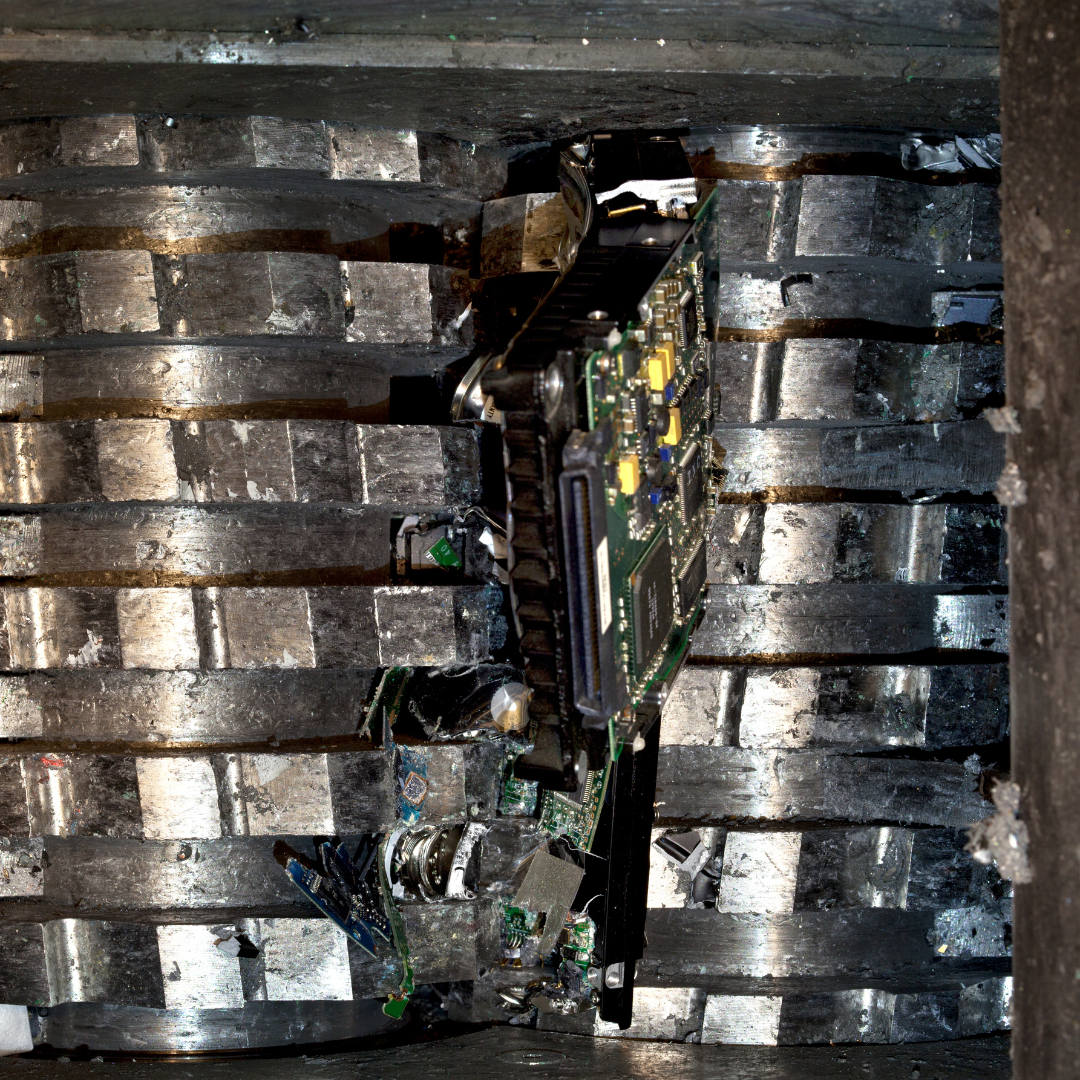
For physical destruction, we offer shredding services that render storage devices unreadable. This method is particularly effective for end-of-life hardware, ensuring that no data can be recovered from the shredded remnants.
-
We offer on site data destruction solutions scalable to meet your organizations needs. We offer shredding for physical destruction and degaussing for other tape and magnetic media.

Electronics Recycling Pickup
TechRemove offers electronics recycling pickup and computer recycling pickup services in St. Louis and St. Charles. TechRemove offers scalable solutions to meet your organizations needs and is able to assist with all pickups big and small! Contact us today to see how we can help meet your organizations needs with our scalable pick up and packaging solutions.
Contact us.
pickup@techremove.com
(314) 403-5745
5661 Natural Bridge Ave.
Saint Louis, MO 63120